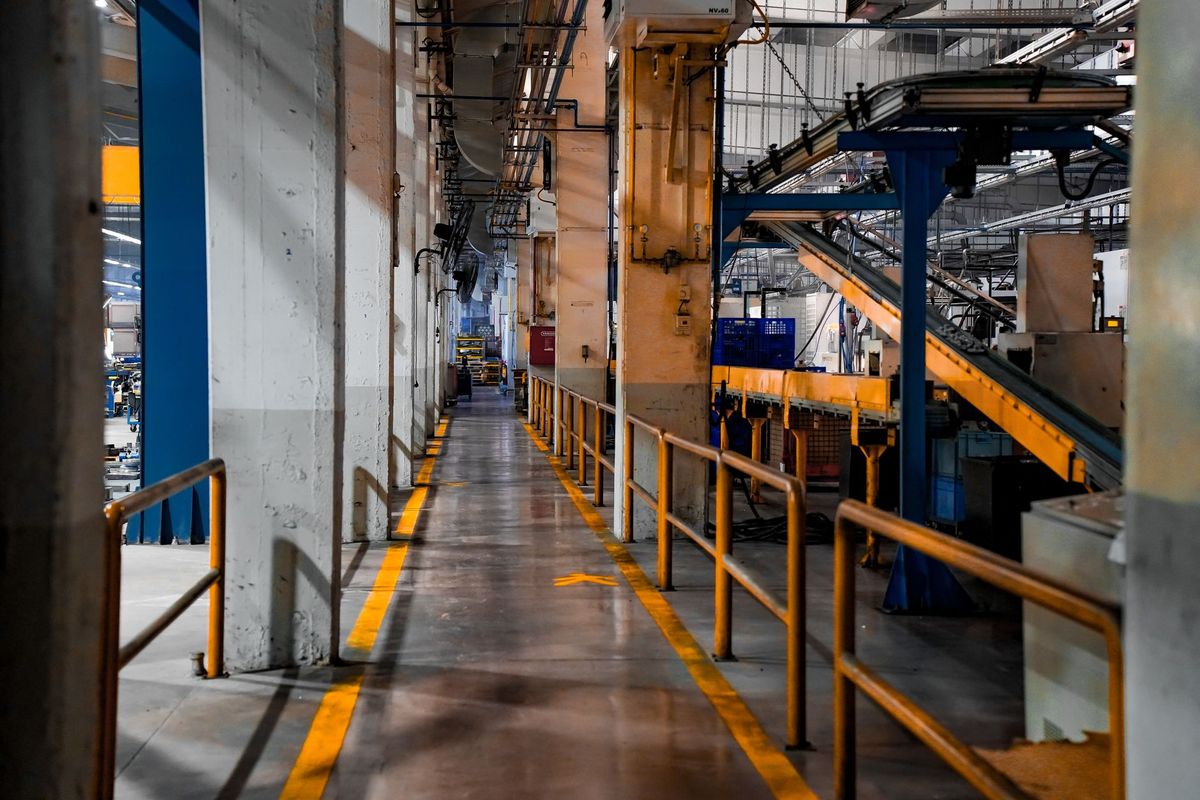
The British manufacturing sector is facing a critical juncture, with factory bosses reportedly preparing to shift jobs abroad as “patience runs out” over persistently high energy costs. Warnings from both manufacturers and unions underscore a growing concern that the UK is at risk of losing industrial employment to other countries. This sentiment, highlighted by reports from sources like The Telegraph, suggests a significant challenge to the nation’s industrial future.
Background
The principal driver behind these concerns is the issue of high electricity prices. Nils Pratley, writing in The Guardian on 15 June 2026, explicitly stated that these elevated costs are “killing industry.” This assessment is echoed by Reuters, which reported on 14 June 2026 that the UK is “losing jobs abroad due to high energy costs,” a sentiment shared by both manufacturers and unions. The cumulative effect of these rising operational expenses is making it increasingly difficult for UK-based factories to remain competitive on the international stage, prompting a re-evaluation of their operational locations.
Industry Leaders Voice Concerns
Leading figures within the manufacturing industry are expressing deep frustration. The Telegraph article, published on 15 June 2026, notes that “factory bosses prepare to shift jobs abroad as ‘patience runs out’.” This strong wording indicates a point of no return for some businesses, where the economic pressures of operating in the UK outweigh the benefits. Manufacturers, often operating with tight margins, find themselves at a disadvantage compared to international competitors who may benefit from lower energy tariffs. This puts jobs and investment at considerable risk within the UK.
Union Warnings and Economic Impact
Unions have joined manufacturers in sounding the alarm, collectively warning about the implications of current energy policies. As reported by The Guardian and Reuters, their joint concerns highlight the direct link between high electricity prices and the potential for job losses. The shift of manufacturing jobs abroad represents more than just individual job losses; it signifies a broader deindustrialisation trend. Such a trend could diminish the UK’s productive capacity, impact supply chains, and reduce the country’s economic resilience. The warnings collectively urge a re-evaluation of industrial policy to prevent further erosion of the manufacturing base.
FAQ
-
Q: Why are UK factory bosses considering moving jobs abroad?
A: Reports indicate that persistently high electricity prices are a primary factor. As Nils Pratley noted in The Guardian, these costs are “killing industry,” making it challenging for UK manufacturers to remain competitive internationally.
-
Q: Who is raising these concerns about job losses?
A: Both manufacturers and unions have collectively warned about the impact of high energy costs. Reuters reported that they share concerns about the UK “losing jobs abroad” due to these expenses.
-
Q: What does “patience runs out” mean for businesses?
A: According to The Telegraph, “patience runs out” signifies that factory bosses have reached a critical point where continued operations in the UK under current energy cost conditions are no longer sustainable, leading them to consider relocating production and jobs overseas.
-
Q: What is the main consequence of these high energy costs for the UK?
A: The primary consequence is the potential for a significant number of manufacturing jobs to be lost from the UK as companies move operations abroad. This also risks a broader deindustrialisation of the economy.
What this means for you
For readers in Bristol and the wider South West, as well as the general UK audience, these warnings from the manufacturing sector carry significant weight. The South West, with its own industrial heritage and ongoing manufacturing activities in various sectors, could feel the direct effects of a decline in national industrial capacity. Job losses in manufacturing would not only impact those directly employed but also ripple through local economies, affecting ancillary services, supply chains, and regional investment. For the broader UK populace, a shrinking manufacturing base could lead to increased reliance on imported goods, potentially impacting the cost and availability of products. The collective voice of manufacturers and unions highlights an urgent need for strategies to address energy costs and safeguard the future of industrial employment across the country, ensuring economic stability for communities like those in Bristol.