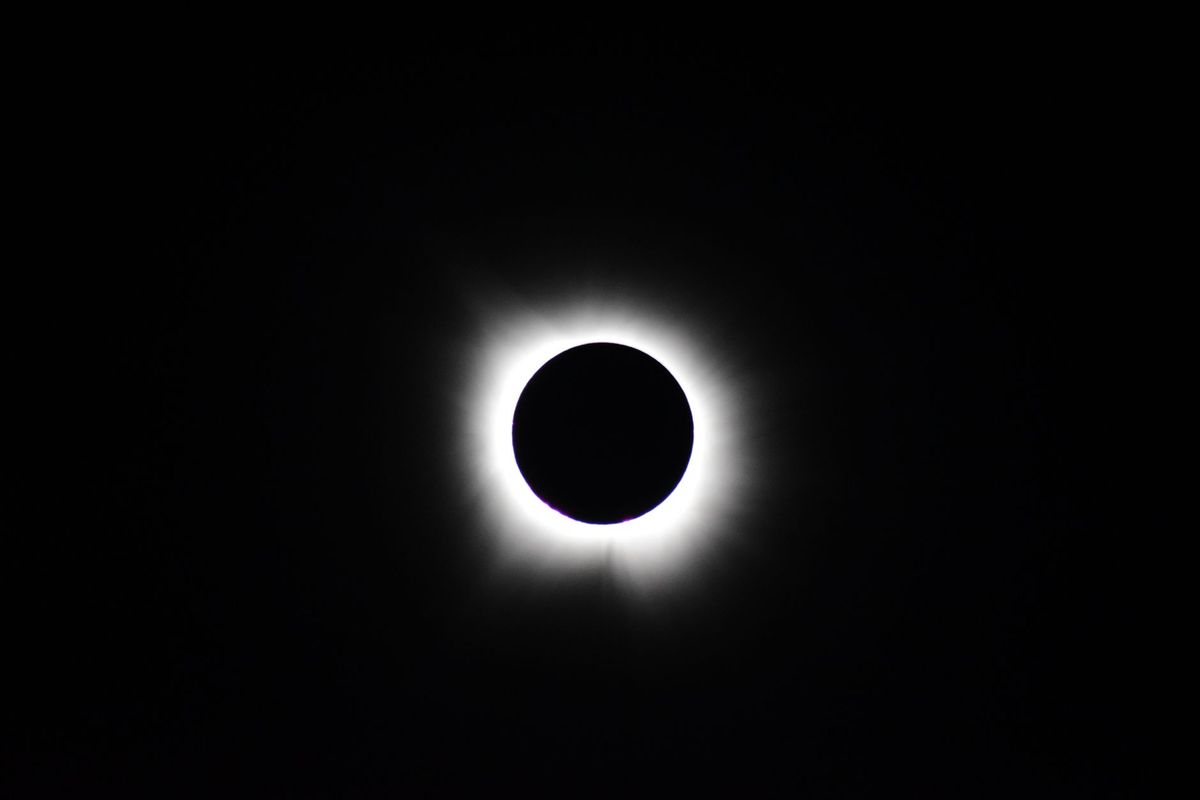
Europe is poised for a significant astronomical event on August 12, 2026, as it prepares to witness its first total solar eclipse in nearly three decades. This rare spectacle, where the Moon passes directly between the Sun and Earth, casting a shadow and momentarily darkening the sky, is anticipated by enthusiasts and researchers alike across the continent.
For residents of Bristol and the wider South West, and indeed across the UK, the event presents an opportunity to engage with a major global celestial phenomenon. While specific local visibility details are yet to be fully confirmed by all regions, the anticipation is building, encouraging early preparations for observing the eclipse or participating in related scientific endeavours.
Background
The upcoming total solar eclipse marks a significant moment, being Europe’s first in almost 30 years, a detail highlighted by Sky News. A total solar eclipse occurs when the Moon fully obscures the Sun, revealing the Sun’s outer atmosphere, the corona. This celestial alignment transforms daylight into a twilight-like experience, offering a breathtaking view for those within the path of totality.
Historically, such events have captivated humanity, inspiring awe and scientific inquiry. The 2026 eclipse is set to continue this tradition, drawing attention from various sectors, including astronomy, education, and public engagement.
Experiencing the 2026 Eclipse
As August 12, 2026, approaches, interest in how and where to experience the solar eclipse is growing. The Connexion has noted that predictions for visibility and optimal viewing locations are keenly awaited. While the path of totality will primarily traverse parts of Europe, individuals in the UK are encouraged to stay informed about potential partial visibility or consider travel to areas within the total eclipse path.
Beyond direct observation, the 2026 eclipse also presents unique opportunities for public participation in scientific research. New Scientist has reported on five citizen science projects that the public can contribute to. These initiatives allow individuals to play an active role in collecting valuable data, assisting professional astronomers and researchers in understanding various aspects of the Sun, Earth’s atmosphere, and the impact of solar events.
Engaging with these projects might involve tasks such as recording local weather conditions, observing animal behaviour during the eclipse, or capturing specific photographic data. Such contributions, regardless of geographical location, can significantly enhance the collective scientific understanding of solar phenomena and their effects.
Frequently Asked Questions
Q: When is the 2026 total solar eclipse?
A: The total solar eclipse is scheduled for August 12, 2026. This date has been highlighted by publications such as The Connexion, noting the specific timing for this rare event.
Q: Why is the 2026 eclipse particularly significant for Europe?
A: The 2026 eclipse holds particular significance for Europe as it marks the continent’s first total solar eclipse in almost three decades. This fact has been widely reported, including by Sky News, underscoring its historical rarity for European observers.
Q: Are there ways for the public to get involved in scientific research related to the eclipse?
A: Yes, there are opportunities for public involvement through citizen science projects. New Scientist has identified five such projects, encouraging individuals to contribute to scientific data collection during the eclipse, regardless of their direct viewing capabilities.
What this means for you
For residents of Bristol, the South West, and the wider United Kingdom, the 2026 total solar eclipse on August 12 is a significant event that warrants attention and preparation. While specific local visibility within the UK will depend on detailed predictions closer to the date, the broader European context of this eclipse means there are multiple avenues for engagement.
Staying informed about the latest visibility predictions, potentially through local astronomical societies or national news outlets, will be crucial. For those keen to experience the full spectacle, planning a trip to regions within the path of totality could be an option, requiring advance consideration and research.
Furthermore, the opportunity to participate in citizen science projects offers a valuable way to contribute to scientific understanding, even if the total eclipse is not directly visible from your location. These projects allow individuals, including those in the South West, to become active participants in global research. By engaging with these initiatives, residents can play a part in documenting and studying this historic celestial event, fostering a deeper connection to astronomy and scientific discovery.
The 2026 total solar eclipse serves as a timely reminder of the wonders of our solar system and the collective human endeavour to understand it better. It encourages a proactive approach to learning, planning, and participation in an event that transcends geographical boundaries.