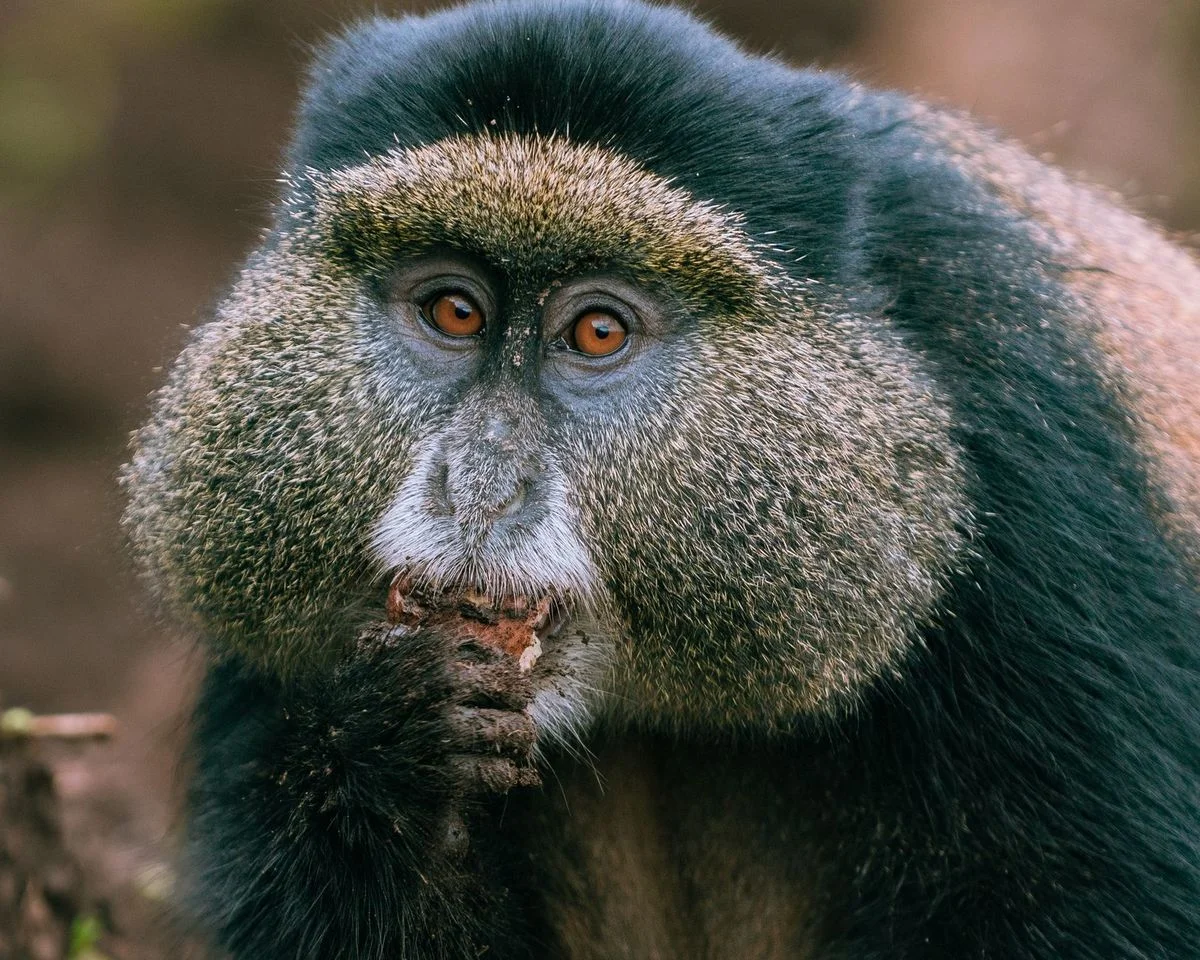
A remarkable scientific breakthrough has been announced with the discovery of a new monkey species, distinguished by its striking orange lips, deep within the rainforests of the Democratic Republic of Congo (DRC). This significant find has not only captivated the scientific community but also ignited widespread interest among wildlife enthusiasts, underscoring the ongoing mysteries held within Earth’s vast and diverse ecosystems. The newly identified primate was found “hiding” in the DRC forest, as reported by the BBC, a testament to the elusive nature of wildlife in these remote and often unexplored regions. This discovery adds another fascinating chapter to the narrative of biodiversity, highlighting the immense wealth of life yet to be formally documented and understood.
Background
The Democratic Republic of Congo is renowned globally for hosting one of the planet’s most extensive and biologically rich rainforests, a critical area for global biodiversity. This latest discovery further solidifies its reputation as a crucial frontier for biological exploration. Described as a “mysterious new monkey species” by BBC Wildlife Magazine, its emergence from the dense canopy of the Congo rainforest points to the profound depths of undiscovered life that still thrive within this vital habitat. The geographical context of the discovery, specifically within the Congolese rainforest, consistently highlighted across various reports, including one from The Washington Post dated 16th July 2026, underlines the importance of preserving these unique natural landscapes. Such findings not only expand our knowledge of species diversity but also reinforce the urgent need for robust conservation strategies in regions facing environmental pressures.
Main Developments
Scientists involved in the discovery are particularly keen to understand “what makes it special”, as highlighted by The Washington Post. While specific intricate details concerning its unique biological or behavioural traits beyond its distinctive orange lips have not been publicly detailed within the available reports, the very fact of its classification as a new species suggests a unique evolutionary path. The vivid orange lips serve as its most immediate and unmistakable identifying feature, setting it apart from other known primate species in the region. The BBC’s report of the species being found “hiding” within the DRC forest speaks volumes about the challenges and rewards of primatological research in such challenging environments. This implies that the species has successfully evaded detection for an extensive period, suggesting either low population numbers, a highly secluded habitat, or behaviour that makes it particularly difficult to observe. The identification of this primate, which The Washington Post referred to as ‘likweli’, represents a considerable achievement in the field of primatology. It opens new avenues for research into its ecological role, its interactions with other species, and its place within the broader primate family tree. The ongoing efforts by scientists to document and understand new life forms continually enrich our collective knowledge of the natural world and the intricate relationships that sustain it. These new findings consistently remind us that despite centuries of exploration, significant portions of the planet’s biodiversity remain undiscovered, offering persistent opportunities for groundbreaking scientific inquiry and deepening our appreciation for the natural wonders of the Earth.
Frequently Asked Questions
-
Q: What is the most distinguishing feature of the newly discovered monkey species?
A: The new monkey species is primarily distinguished by its vibrant orange lips, a prominent characteristic noted in reports from sources such as the BBC and BBC Wildlife Magazine.
-
Q: Where was this new monkey species discovered?
A: The discovery took place in the vast rainforests of the Democratic Republic of Congo (DRC), specifically within the Congo rainforest, as confirmed by various reports including The Washington Post.
-
Q: What is the name given to this new species?
A: According to The Washington Post, the newly identified species has been referred to as ‘likweli’.
-
Q: Who reported the discovery of this new monkey species?
A: The discovery has been widely reported by several reputable news organisations, including the BBC, BBC Wildlife Magazine, and The Washington Post.
What This Means for You
For individuals residing in Bristol, across the South West, and throughout the wider United Kingdom, the unveiling of a new monkey species in a distant rainforest may initially appear geographically remote from daily concerns. Nevertheless, such profound global scientific discoveries carry far-reaching implications that are intrinsically linked to the well-being of every inhabitant on Earth. The ecological integrity of the world’s most vital rainforests, including the expansive and biodiverse ecosystems of the Democratic Republic of Congo, is paramount to the regulation of global climate systems. These systems, in turn, exert a direct influence on weather patterns, agricultural productivity, and overall environmental stability, even impacting climatic conditions observed here in the UK. The continued existence and preservation of these unparalleled natural environments, which serve as the exclusive habitats for species such as the newly discovered ‘likweli’, are absolutely crucial for upholding global biodiversity. Each new species brought to light enhances our comprehensive understanding of life’s vast tapestry and the delicate, interdependent balance that sustains its myriad forms. This latest discovery serves as a potent and timely reminder of the profound interconnectedness of all natural processes and underscores the enduring urgency of concerted global conservation efforts. It vividly illustrates that environmental challenges such as unchecked deforestation, habitat destruction, and the escalating effects of climate change, which imperil these distant and vibrant ecosystems, are not isolated issues. Rather, they propagate far-reaching consequences that ripple across every continent and ocean, ultimately shaping the destiny of our shared planet and the legacy we leave for succeeding generations. Engaging with such impactful global news fosters a more profound sense of responsibility towards the natural world and reinforces the critical imperative to safeguard it for the prosperity of all future inhabitants.