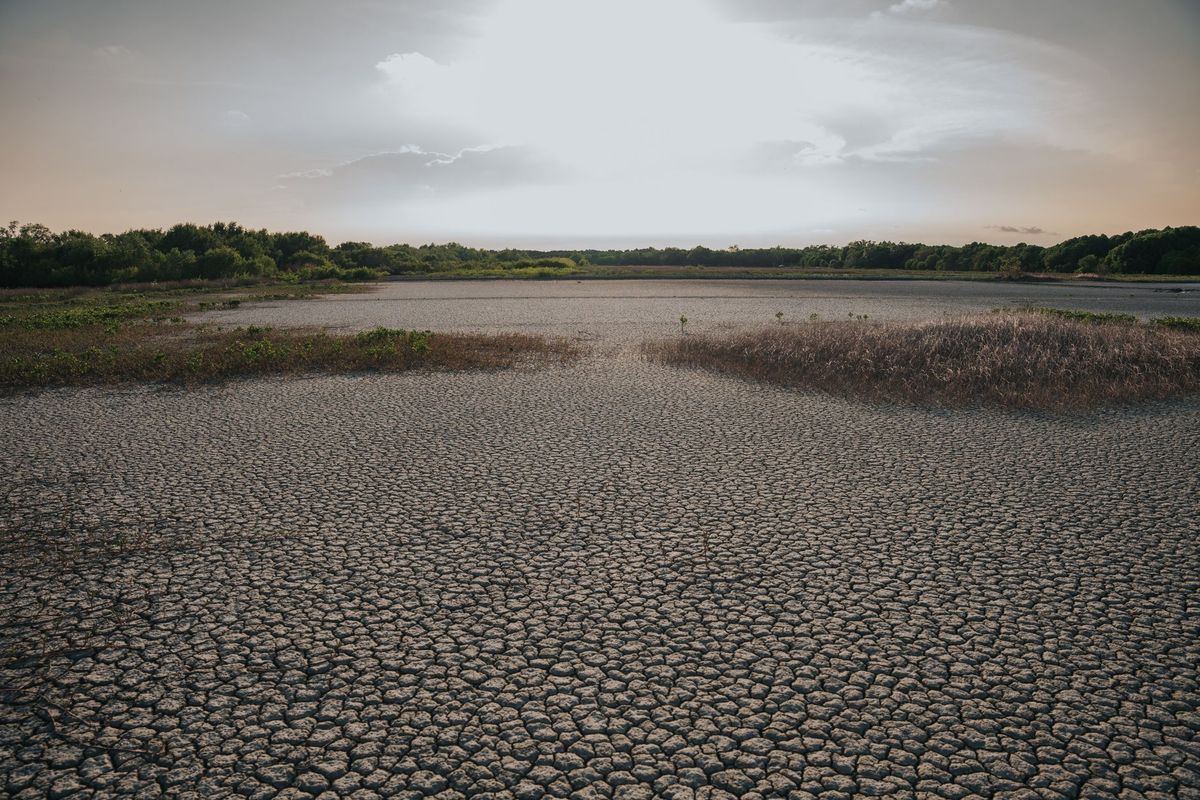
Recent reports suggest a complex, perhaps counter-intuitive, connection between a decline in atmospheric pollution and the increasing prevalence of heatwaves. According to The Telegraph, a fall in pollution may contribute to warmer global conditions. This development aligns with climate scientists’ assessments, as reported by Le Monde.fr, that they are “not surprised by summer’s record heat,” stating that “We’ve entered a dangerous zone.”
Background
The notion that a reduction in certain types of pollution could inadvertently lead to higher temperatures highlights the intricate balance of Earth’s climate system. Historically, some industrial pollutants, such as aerosols, have been known to reflect sunlight back into space, thereby exerting a localised cooling effect. A significant fall in these particular pollutants could, therefore, diminish this reflective shield, allowing more solar radiation to reach the Earth’s surface and potentially contribute to increased heatwaves. The Telegraph’s report on “Heatwaves caused by fall in pollution” underscores this complex relationship, prompting further examination of environmental strategies and their multifaceted impacts.
Scientific Perspectives on Record Heat
Climate scientists, interviewed by Le Monde.fr, confirm that they are not taken aback by the unprecedented summer heat recorded recently. Their assessment is stark: “We’ve entered a dangerous zone.” This statement reflects a growing understanding among experts that the planet’s climate system is undergoing fundamental changes, leading to more frequent and intense extreme weather events, including prolonged heatwaves.
However, solutions are not always straightforward. Roger Pielke Jr., writing on Substack, argues that “cutting emissions can’t fix Europe’s heat waves” in isolation. This perspective suggests that while reducing greenhouse gas emissions is a crucial long-term goal, other immediate and complex factors influence current heatwave events. A multi-faceted approach considering all contributing elements, including atmospheric pollutants, is therefore needed.
Frequently Asked Questions
- Q: How can a fall in pollution cause heatwaves?
A: According to The Telegraph, a reduction in certain reflective atmospheric pollutants, like aerosols, can lessen their cooling effect. With less of these pollutants, more solar radiation reaches Earth, potentially increasing heatwaves.
- Q: Are climate scientists surprised by recent record heat?
A: No. Climate scientists interviewed by Le Monde.fr are not surprised by recent record summer heat, stating, “We’ve entered a dangerous zone,” consistent with climate trends.
- Q: Can cutting emissions fix Europe’s heat waves?
A: Roger Pielke Jr. on Substack suggests “cutting emissions can’t fix Europe’s heat waves” alone. While crucial long-term, immediate heatwave events may be influenced by a broader array of factors beyond just emission cuts.
What this means for you
For residents across Bristol and the South West, and indeed the wider UK, these scientific insights underscore the intricate and interconnected nature of environmental changes. Understanding how factors like pollution levels can influence phenomena such as heatwaves is crucial for anticipating and adapting to future weather patterns. As summers potentially become warmer, considerations for public health, urban planning, and infrastructure become increasingly important.
While global efforts continue to address climate change, local communities need to be prepared for practical implications. This includes public health advisories during extreme heat and potential impacts on transport networks. For instance, prolonged heat can affect travel, impacting considerations like M5 Traffic Today: Causes of Congestion, Key Hotspots and How Drivers Can Avoid Delays. Staying informed about these complex dynamics is key to building resilient communities in an evolving climate.