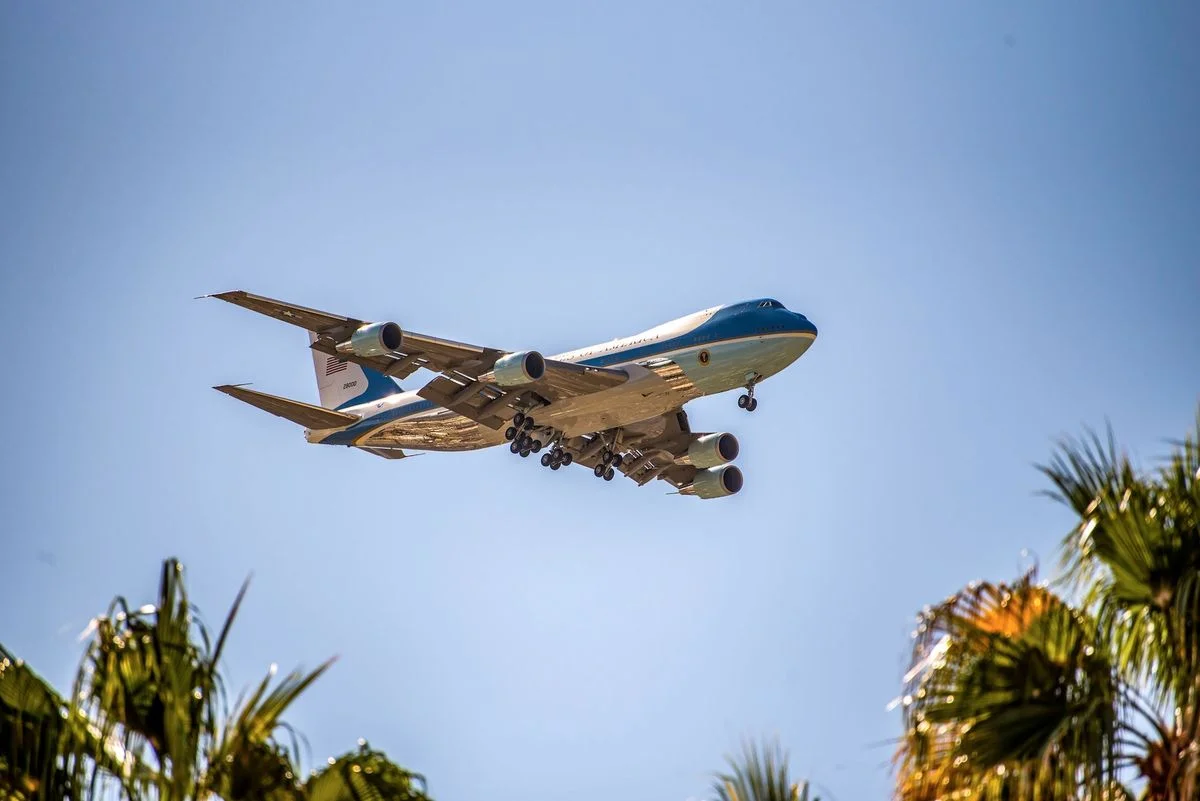
Ahead of the crucial NATO Summit, questions are emerging around President Trump’s travel arrangements following a recent incident involving Air Force One. Reports indicate a hurried effort to ready a new iteration of the presidential aircraft, with concerns raised about potential security vulnerabilities. This development comes after a separate incident earlier this month where President Trump reportedly switched planes in Turkey due to threats, according to The Guardian.
The upcoming NATO Summit underscores the importance of secure presidential transport, and these recent reports have brought the topic into sharp focus. For Bristol and South West readers, understanding the intricacies of such high-level security measures provides insight into the broader landscape of international relations and global stability.
Background
The “new Air Force One” has been the subject of significant attention. The New York Times reported on a “rushed effort” to get this aircraft ready, highlighting the complexities involved in preparing a presidential plane. Furthermore, video content from The New York Times has suggested that President Trump’s “new Air Force One poses potential security risks.” These concerns have added a layer of scrutiny to presidential travel, particularly when navigating sensitive geopolitical regions.
This background provides context for a specific incident that occurred earlier this month. The Guardian reported that President Trump switched planes in Turkey. This unscheduled change was attributed to a “threat from Iran proxy forces,” indicating the active and evolving nature of security challenges faced by world leaders during international travel.
Security Concerns and Recent Incidents
The “potential security risks” associated with President Trump’s new Air Force One, as detailed by The New York Times, have become a focal point of discussion. While the specifics of these risks are not publicly elaborated in the available source material, the very mention by such a prominent news organisation indicates a serious consideration for presidential security protocols.
A tangible example of these evolving threats manifested earlier this month. According to a report by The Guardian, President Trump made an unexpected plane switch while in Turkey. The reason cited for this significant alteration to his travel plans was a “threat from Iran proxy forces.” This incident underscores the dynamic security environment in which international diplomacy operates and the immediate decisions sometimes required to safeguard heads of state.
Implications Ahead of NATO Summit
The confluence of security concerns regarding the “new Air Force One” and the confirmed plane switch in Turkey due to “Iran proxy forces” provides a critical lens through which to view President Trump’s travel plans for the upcoming NATO Summit. Such an international gathering of leaders demands the highest level of security, not only for the summit location but also for the transit of attendees.
The need for “rushed effort” in preparing a presidential aircraft and the identification of “potential security risks” suggest that logistical and security teams are operating under considerable pressure. This environment could necessitate additional layers of planning and contingency measures for high-profile events like the NATO Summit, impacting everything from flight routes to ground transportation and diplomatic schedules.
FAQ
- Q: Why did President Trump reportedly switch planes earlier this month?
- A: According to The Guardian, President Trump switched planes in Turkey earlier this month due to a “threat from Iran proxy forces.”
- Q: What are the main concerns about President Trump’s “new Air Force One”?
- A: The New York Times reported on a “rushed effort” to get the new aircraft ready, and that it “poses potential security risks.”
- Q: Where did the reported plane switch incident take place?
- A: The incident where President Trump switched planes earlier this month occurred in Turkey.
What this means for you
For residents of Bristol, the South West, and the wider UK, the detailed security measures surrounding President Trump’s travel, especially ahead of a significant event like the NATO Summit, are not merely distant political news. The stability and security of key international leaders, and the robustness of their travel protocols, directly feed into the broader landscape of global relations and international security.
As a key ally within NATO, the UK has a vested interest in the smooth and secure functioning of such alliances. Incidents like the reported plane switch due to threats highlight the ongoing global security challenges that can influence policy decisions, trade relationships, and even local economies reliant on international stability. Understanding these underlying security imperatives provides a clearer picture of the complex world stage upon which the UK, its regions, and its citizens play a part.