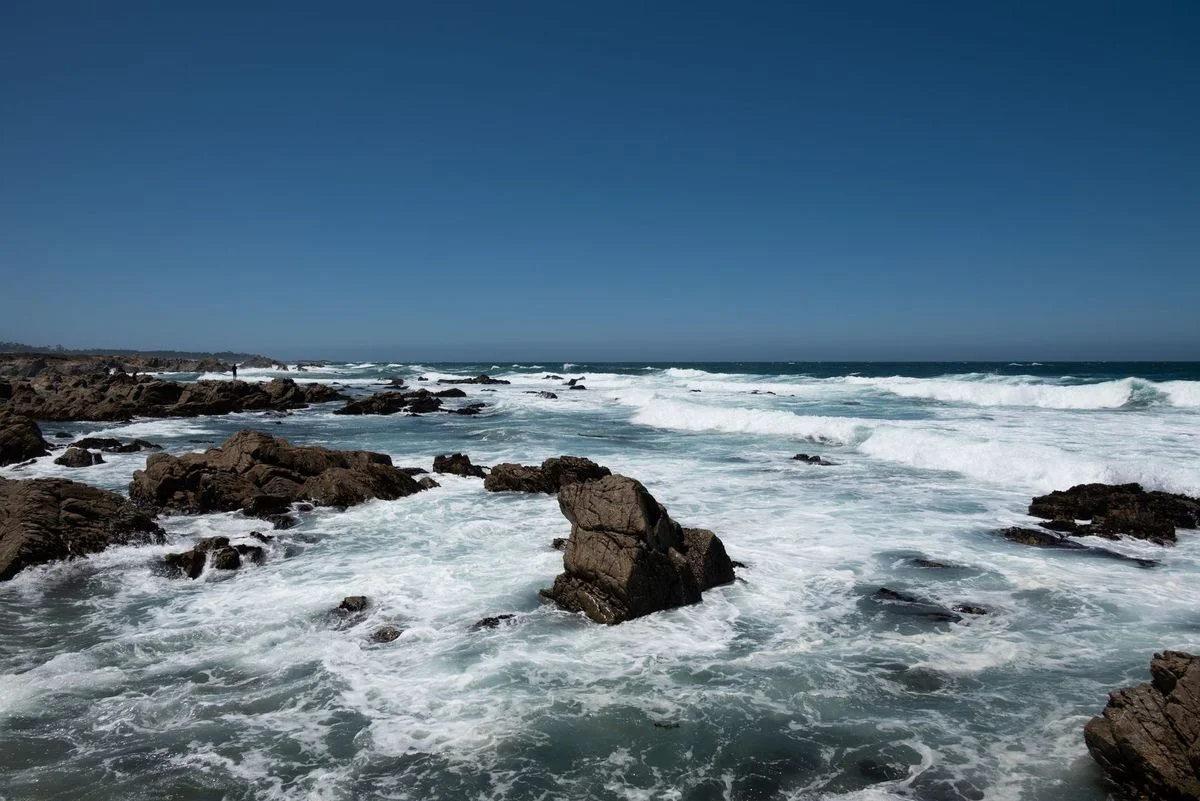
A massive, slow-moving ‘Kelvin wave’, intensified by an exceptionally strong El Niño, is expected to reach California’s coastline within days, potentially raising sea levels by up to a foot for several months. This ocean phenomenon significantly increases the threat of storm surges, flooding, and coastal erosion for communities across the US west coast.
Understanding the Kelvin Wave Phenomenon
Kelvin waves are planetary in scale, spanning thousands of miles and bringing with them enormous volumes of warm water. Unlike typical crashing waves, they are not visible to the naked eye and represent a slow-moving “slosh” of water rather than a breaking swell, according to The Guardian.
This phenomenon is triggered when the trade winds, which usually blow from South America towards Asia, weaken or reverse during El Niño years. This shift causes a thick layer of warm water, typically held in the western Pacific, to surge eastward towards the Americas. Severine Fournier, a research scientist at Nasa’s Jet Propulsion Laboratory, explained that once the wave reaches the coast of South America, it then moves north and south along the coastline.
Nate Mantua, a research scientist at the National Oceanic and Atmospheric Administration’s Southwest Fisheries Science Center, further clarified that the force holding the warm water in place diminishes, causing it to “slosh back towards California.” Kelvin waves are a natural occurrence, having happened for thousands of years and measured by agencies like NOAA since record-keeping began.
Projected Impacts and Escalating Risks
One such wave, which reached the northern tip of South America in late August, is now progressing towards California. Ocean scientists predict it could elevate sea levels by 6 to 15 inches for three to six months, as detailed by Outlook Newspapers. This elevation is expected to persist through the winter and into early next year.
This year’s El Niño is anticipated to be one of the largest in at least 1,000 years, with climate readings already surpassing the highest recorded temperatures for the phenomenon. The combined effect of the Kelvin wave and El Niño means that everyday coastal weather becomes significantly more dangerous, increasing the likelihood of accelerated beach erosion, cliff collapses, and flooding. Mike Jacox, a research oceanographer, noted that this effectively “raises the floor” for all other weather-related impacts.
Compounding the threat, global sea levels have already risen by approximately eight inches over the last century. Kelvin waves will add to this existing baseline, and their intensity is reportedly amplified by climate change, according to Outlook Newspapers. Nate Mantua warned that while past strong El Niño events (such as 1983, 1998, and 2016) provide predictive data, the “exceptional intensity of this event” could lead to even greater damage.
California’s Emergency Preparations
In response to the looming threat, California’s Governor Gavin Newsom declared a state of emergency on Monday, September 22, to mobilise resources in anticipation of winter storms, coastal flooding, and other impacts. Preparatory measures include staging road-closure and snow-removal equipment, readying the state national guard for search-and-rescue operations, and streamlining procedures for natural disasters.
The California Coastal Commission has urged homeowners and residents to prepare immediately. This involves inspecting flood-prone or erosion-vulnerable areas, enhancing drainage, and addressing potential damage causes before severe weather strikes. Kate Huckelbridge, head of the commission, emphasised that “the most damaging storms are often those that coincide with the highest tides,” making preparedness crucial.