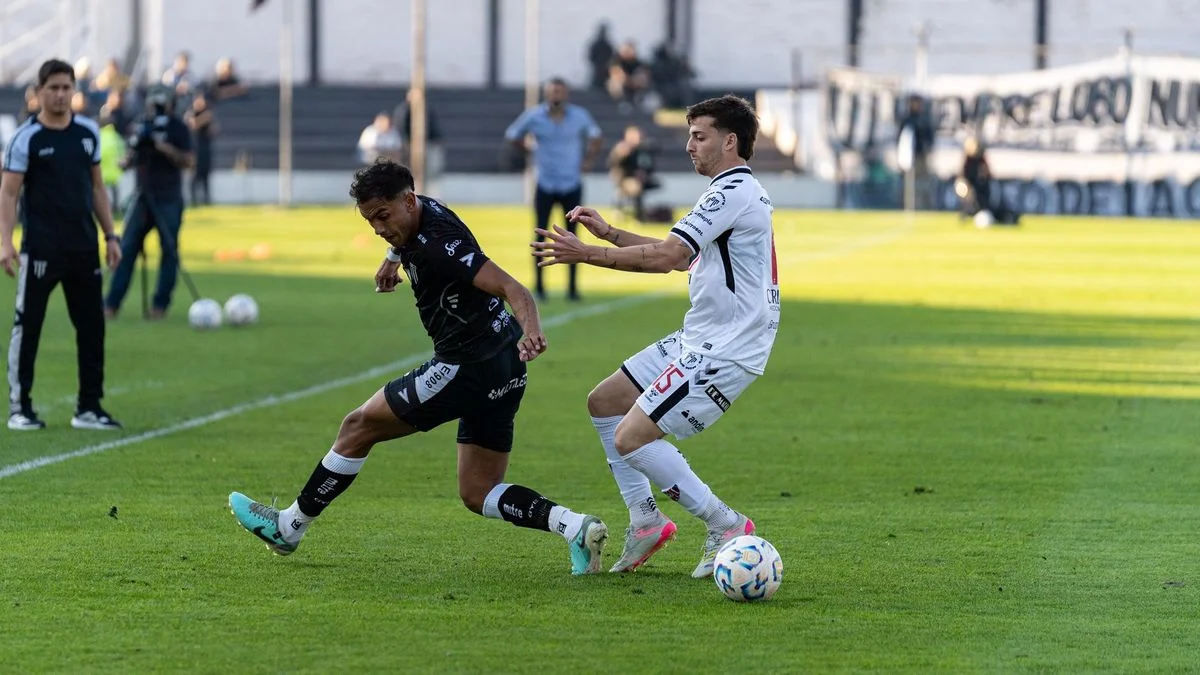
Algeria has lodged an official complaint with FIFA, the international governing body of football, concerning the refereeing during their recent match against Argentina. The complaint specifically highlights an incident involving star player Lionel Messi. This significant development follows Algeria’s defeat to Argentina, a result that has since triggered widespread discussion and, according to reports, “conspiracy claims”.
Background to the Dispute
The core of the current controversy stems from a match where Algeria faced Argentina, ultimately resulting in a loss for the Algerian side. Following this pivotal game, the focus of discussion, particularly in certain circles, has reportedly shifted away from traditional football analysis. The Arab Weekly highlights that “conspiracy claims eclipse football debate after Algeria’s loss to Argentina,” indicating a broader sentiment of contention surrounding the outcome and the events within the match.
This backdrop sets the stage for the formal action taken by Algeria. When a nation decides to escalate its concerns to FIFA, it signifies a deep dissatisfaction with perceived injustices or breaches of protocol during a game. The gravity of such a step is often proportionate to the perceived impact of the contested decisions on the match’s result and, potentially, on broader tournament implications, though the sources do not specify the tournament.
The Official Complaint to FIFA
Identified as a “World Cup nation” by talkSPORT, Algeria has formally submitted an official complaint to FIFA. The essence of this complaint, as detailed by The Athletic, centres on two primary areas: the overall performance of the refereeing team during the Algeria vs. Argentina fixture, and a particular incident involving Lionel Messi. The Athletic’s report states: “Algeria complains to FIFA over refereeing, Lionel Messi foul in Argentina game.” This dual focus suggests that Algeria’s grievances are not singular but encompass a broader critique of how the match was managed by the officials.
The “Lionel Messi incident” specifically mentioned in the complaints from both The Athletic and talkSPORT suggests a moment within the game that was deemed by Algerian authorities to be particularly egregious or influential. While the precise nature of the foul or its context is not elaborated upon in the provided source material, its inclusion as a distinct point in the official complaint underscores its perceived importance to Algeria’s case. Such incidents often become flashpoints for fan and team frustration, especially when they occur in high-stakes matches.
Official complaints to FIFA are not uncommon in the competitive world of international football, but they always draw attention, particularly when they involve a “World Cup nation” and a player of Lionel Messi’s stature. The process typically involves a review by FIFA’s disciplinary committees, who will assess the evidence provided by the complaining nation. The outcome can range from no action being taken, to fines, suspensions, or, in very rare cases, more significant repercussions, though the sources do not mention specific potential outcomes for this case.
FAQ: Understanding the Controversy
- Q: What is the primary focus of Algeria’s complaint to FIFA?
A: Algeria’s official complaint to FIFA primarily focuses on the refereeing during their match against Argentina and specifically highlights an incident involving Lionel Messi, according to The Athletic. - Q: Which game is at the centre of this controversy?
A: The controversy stems from Algeria’s loss to Argentina, a result that preceded the formal complaint to FIFA. - Q: What broader claims have emerged surrounding the match result?
A: Beyond the refereeing issues, “conspiracy claims” have reportedly begun to overshadow the traditional football debate following Algeria’s loss to Argentina, as reported by The Arab Weekly. - Q: Who is involved in lodging the complaint?
A: Algeria, identified as a “World Cup nation” by talkSPORT, has lodged the official complaint with FIFA concerning the refereeing and a Lionel Messi incident from their game against Argentina.
What This Means for You
For football enthusiasts across Bristol and the South West, as well as the wider UK audience, this official complaint from Algeria to FIFA represents a tangible example of the intense scrutiny and passion that surrounds international football. Bristol, with its vibrant sports culture and dedicated fan base, often sees robust discussions sparked by controversial refereeing decisions in local and national leagues. The situation with Algeria’s complaint, even concerning an international fixture far from home, resonates with the universal desire for fair play and transparent officiating.
The mention of a “Lionel Messi foul” and subsequent “conspiracy claims” adds layers of intrigue that are familiar to any follower of the sport. Such incidents, even when details are scarce in the public domain, fuel debate among fans about the role of technology, the subjective nature of human officiating, and the potential pressures involved in managing games featuring global superstars. As reported by The New York Times’s The Athletic, the formal nature of the complaint underscores the seriousness of the allegations from a “World Cup nation.”
Ultimately, this development serves as a reminder that the drama of football extends beyond the ninety minutes of play. Decisions made on the pitch, or perceived misjudgements, can lead to official protests and ignite widespread discussions about the integrity of the game. For fans tuning in from their homes and pubs across the South West, it reinforces the notion that every call, every challenge, and every outcome can be scrutinised, debated, and, in cases like this, formally challenged, shaping the narrative of global football for weeks to come. The claims, as highlighted by The Arab Weekly, indicate the broader impact such disputes can have on the sport’s discourse.