Bristol MP Calls for National Crisis Preparedness
Bristol North West MP Darren Jones has urged residents in the local area to prepare for potential national crises, encouraging them to take ‘small steps’ in line with broader national guidance. The call comes as Britons across the country are being advised to ensure they are ready for unforeseen events, with a particular emphasis on practical measures.
This advice aligns with a recent push for increased public readiness. According to The Guardian, Britons were urged on July 14, 2026, to implement ‘small steps’ to prepare for potential national crises. This directive aims to foster a greater degree of self-sufficiency within households, ensuring a basic level of preparedness for various scenarios that could disrupt daily life.
Background
The impetus for such guidance stems from governmental and advisory bodies encouraging a more resilient population. While the specific nature of potential national crises can vary, the emphasis remains on foundational preparedness. The concept of ‘small steps’ suggests that comprehensive readiness does not require extensive, immediate changes but rather a gradual accumulation of essential provisions and knowledge.
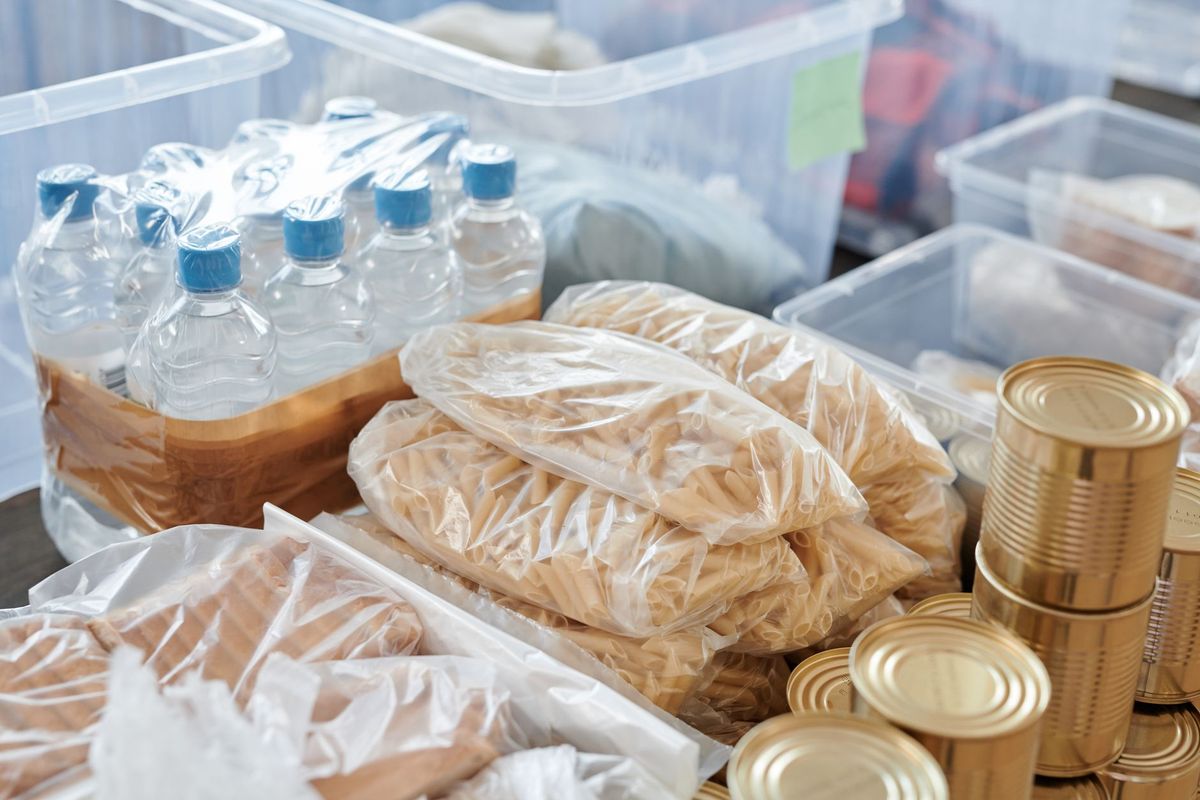
A significant aspect of this national guidance, as reported by The Times, includes specific recommendations for stockpiling. Britons are reportedly being told to stockpile food, water, and medicine to prepare for potential scenarios such as war. This direct advice underscores a heightened concern regarding national security and the potential for widespread disruption that could affect access to essential goods and services.
Practical Steps for Preparedness
The advice from national sources focuses on tangible actions individuals can take to bolster their household’s resilience. The core recommendations consistently revolve around maintaining a supply of essential items. Foremost among these is the stockpiling of food. While the idea of stockpiling might conjure images of large-scale storage, the guidance often refers to a sensible, manageable approach.
The Telegraph has even published a comprehensive guide to effectively stockpiling food, suggesting that a well-thought-out strategy can make this task achievable and practical for most households. This guidance would likely cover aspects such as choosing non-perishable items, rotating stock, and ensuring a varied nutritional base for a period of several days or weeks.
Beyond food, the emphasis extends to water and medicine. Access to clean drinking water can be compromised during certain crises, making a stored supply crucial. Similarly, a personal stock of essential medications, particularly prescription drugs, is vital for those with ongoing health conditions. The ‘small steps’ approach encourages individuals to consider their specific needs and build up these supplies gradually.
The explicit mention of preparing for ‘war’ by The Times adds a serious dimension to these calls for preparedness. This context highlights the potential severity of the scenarios being considered by authorities and underscores the importance of public readiness across various threat levels.
FAQ
Here are some common questions regarding national crisis preparedness:
- Q: What are Britons being urged to do?
A: Britons are being urged to take ‘small steps’ to prepare for potential national crises. This includes ensuring households have basic supplies and readiness for various disruptions. - Q: What specific items should be stockpiled?
A: The national guidance specifically advises individuals to stockpile food, water, and medicine as part of their preparations. - Q: Why are these preparations being advised?
A: These preparations are being advised to enhance national resilience in the face of potential national crises, including scenarios such as war. - Q: Where can I find more information on food stockpiling?
A: The Telegraph offers a comprehensive guide to effectively stockpiling food.
What This Means for You
For residents across Bristol and the wider South West, as well as the general UK audience, the message from MP Darren Jones and national guidance is clear: proactive, measured preparation is advisable. The call to take ‘small steps’ implies a manageable process rather than a daunting overhaul of household routines. It encourages thoughtful consideration of what might be needed if basic services were temporarily disrupted.
This could involve reviewing your household’s current supplies of non-perishable food, ensuring you have enough bottled water for a few days, and checking your medicine cabinet for any essential items. The focus is on resilience — the ability to cope with unexpected challenges without immediate external assistance.
Understanding the context behind these recommendations, including the mention of preparing for war (as reported by The Times), underscores the importance of taking these warnings seriously. However, the ‘small steps’ approach ensures that preparedness is accessible and not overwhelming. By gradually building up a modest store of essentials and having a basic plan, individuals and families can significantly enhance their ability to navigate potential national crises, contributing to overall community resilience in Bristol, the South West, and beyond.