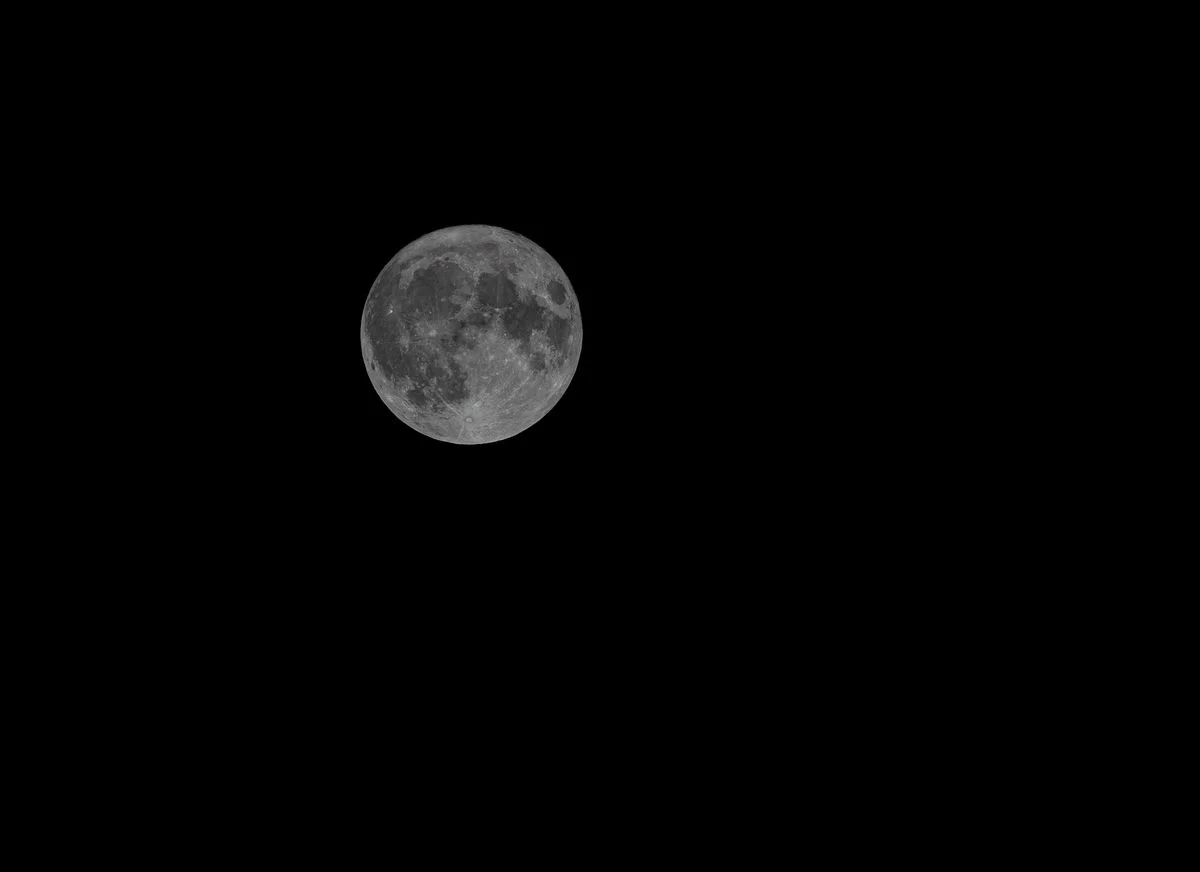
Stargazers across the South West and wider UK have recently had the opportunity to observe the celestial phenomenon known as the Buck Moon. This full moon has reportedly graced the skies, lighting up areas such as Devon and Cornwall, according to the BBC.
This particular full moon, which Live Science notes can appear with an orange hue, is significant as it precedes a series of upcoming celestial events. These include a total solar eclipse and other lunar and solar eclipses, all anticipated within the coming month.
Background
The Buck Moon is the traditional name for the full moon occurring at this time of year. While the specific etymology of the name is not detailed in current reports, its recent appearance has been widely noted for its striking presence in the night sky. Live Science indicated that observers might “catch an orange ‘Buck Moon’ rise tonight,” highlighting its distinctive potential colouration.
Its visibility across regions like Devon and Cornwall confirms its presence for residents of the South West, offering a notable spectacle for those looking skyward, as reported by the BBC.
Upcoming Celestial Events
Beyond its visual appeal, the Buck Moon holds astronomical significance as it “sets up a total solar eclipse,” according to Forbes. This positioning marks the beginning of an active period for celestial observers, with a major event on the horizon.
Live Science further elaborates on this, stating that the Buck Moon rises “before a month of solar and lunar eclipses.” This suggests that the recent full moon is an overture to a busy schedule of astronomical phenomena, providing multiple opportunities for sky-watchers to witness lunar and solar events in close succession. These forthcoming eclipses are set to follow the appearance of the Buck Moon, adding to a period of heightened celestial activity.
FAQ
-
What is the Buck Moon?
The Buck Moon is the name given to a particular full moon, recently visible, which has been observed lighting up skies in areas such as Devon and Cornwall.
-
What colour does the Buck Moon appear?
The Buck Moon has been noted to appear with an “orange” hue, according to Live Science.
-
What celestial events follow the Buck Moon?
The Buck Moon “sets up a total solar eclipse,” as reported by Forbes, and precedes “a month of solar and lunar eclipses,” according to Live Science.
-
Was the Buck Moon visible in the South West?
Yes, the Buck Moon was reported by the BBC to be lighting up Devon and Cornwall skies, indicating its visibility in the South West.
What this means for you
For residents of Bristol and the wider South West, the recent appearance of the Buck Moon offered a compelling reason to look to the night sky. Its reported visibility in nearby counties like Devon and Cornwall suggests a widespread opportunity to witness this natural spectacle.
Moreover, the Buck Moon serves as a precursor to a series of significant astronomical events. With a total solar eclipse and additional solar and lunar eclipses anticipated in the coming month, according to scientific reports, there will be further chances for local and national audiences to engage with celestial phenomena. Remaining informed about these upcoming dates will allow enthusiasts to plan their sky-gazing, offering continuous opportunities to observe and appreciate the wonders unfolding above us.