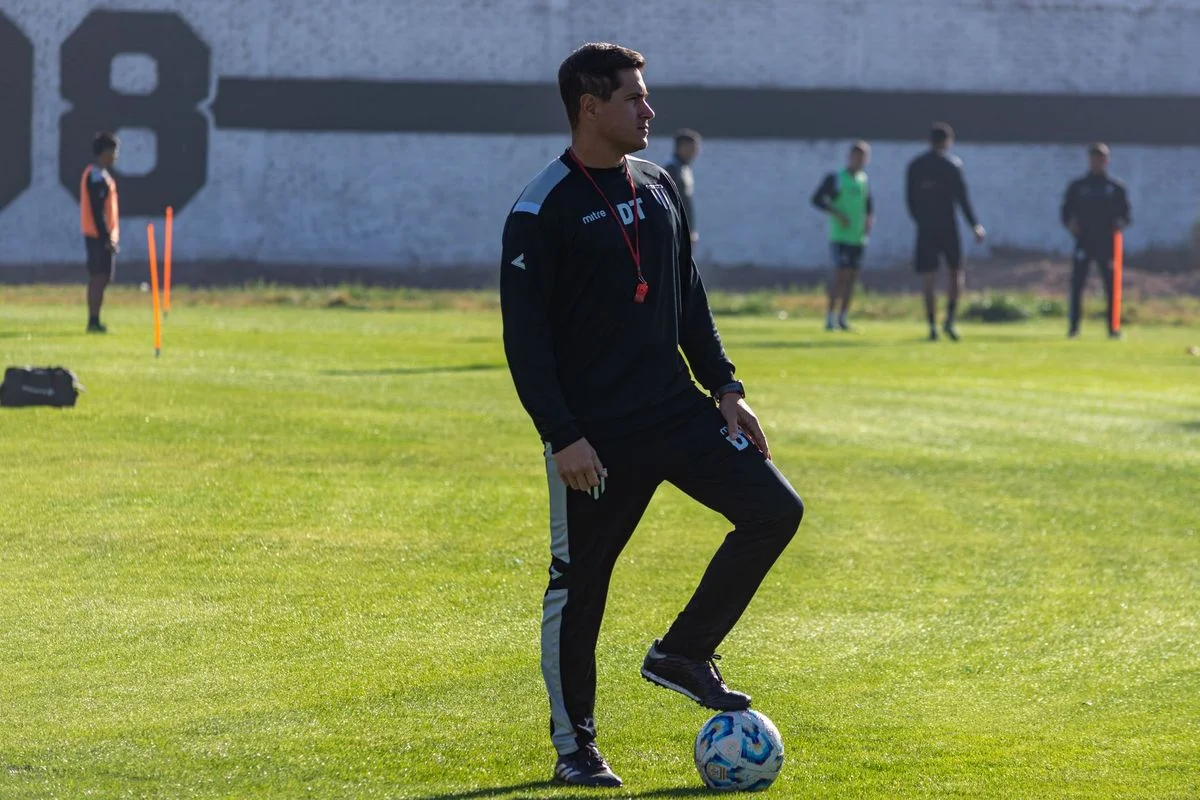
Sebastian Beccacece has made an unexpected and sudden exit from his position as the manager of the Ecuador national football team. The departure, which occurred straight after the team’s World Cup knockout game, has been confirmed, with the BBC reporting that he has left his role as Ecuador boss.
This surprising development has quickly become a significant talking point, particularly as the Daily Star has reported that his resignation came straight after the crucial match and that a complaint was subsequently made to FIFA concerning the circumstances surrounding his departure.
Background to the Ecuador Manager’s Tenure
Sebastian Beccacece had become a recognisable figure during the 2026 World Cup, leading the Ecuador national team through their campaign. His presence on the touchline had attracted considerable attention, distinguishing him among the tournament’s managerial cohort. Indeed, The Guardian characterised him in an article titled, “Every World Cup needs a cult hero: 2026 has given us touchline dreamboat Sebastián Beccacece.” This designation as a “touchline dreamboat” and a “cult hero” underscored his rising profile and the unique impression he had made on observers and fans alike.
His distinctive style and visible passion during matches were part of what contributed to his status as a “cult hero” during the tournament, as noted by The Guardian. This background makes his sudden decision to leave his role as Ecuador boss all the more remarkable, creating a dramatic turn of events for a manager who had been, to some extent, embraced by the wider footballing community during the competition.
Immediate Resignation After Knockout and FIFA Complaint
The circumstances of Sebastian Beccacece’s departure are particularly striking due to their immediacy. His resignation from the Ecuador managerial post was enacted directly after the team concluded their World Cup journey in a knockout game. This immediate stepping down, as reported by the Daily Star, signifies an abrupt end to his tenure at a pivotal moment in the tournament.
Further intensifying the situation, the Daily Star also disclosed that a formal complaint was made to FIFA following Beccacece’s resignation. While the specifics of this complaint have not been made public within the provided source material, its existence adds a layer of intrigue and suggests that there may be underlying factors beyond a straightforward managerial change. The nature of a complaint to football’s international governing body indicates a potentially serious issue, which remains a key element of the ongoing narrative surrounding Beccacece’s unexpected World Cup exit.
The decision by the Ecuador boss to leave his role straight after the game, coupled with the reported complaint, creates a complex and somewhat mysterious scenario that stands out amidst the usual post-tournament reflections. The swiftness of his departure, coinciding with the team’s elimination, points to a potentially significant and unresolved situation behind the scenes.
FAQ
- Q: Who is Sebastian Beccacece?
- A: Sebastian Beccacece was the manager of the Ecuador national football team during the 2026 World Cup. He was famously described by The Guardian as a “touchline dreamboat” and a “cult hero” of the tournament.
- Q: Why did Sebastian Beccacece leave his role as Ecuador boss?
- A: Sebastian Beccacece left his role as Ecuador boss immediately following the team’s World Cup knockout game. According to the Daily Star, his resignation came straight after this match, and a complaint was made to FIFA.
- Q: When did Sebastian Beccacece resign from his position?
- A: He resigned immediately after Ecuador’s World Cup knockout game, marking a very swift departure from his managerial duties.
- Q: What was Sebastian Beccacece’s public perception during his time at the 2026 World Cup?
- A: During the 2026 World Cup, The Guardian referred to Sebastian Beccacece as a “touchline dreamboat” and suggested that he had emerged as a “cult hero” of the tournament, highlighting his distinctive presence.
What this means for you
For football enthusiasts across Bristol, the South West, and indeed the broader UK audience, the sudden resignation of a national team manager from the World Cup is always a development that captures attention. Sebastian Beccacece’s exit from his role as Ecuador boss, particularly given its immediate timing after a knockout game and the reported involvement of a complaint to FIFA, transcends typical sports news and delves into the intriguing human and political aspects of top-tier football.
Such an event highlights the intense pressure cooker environment of international football management. It serves as a reminder that behind the spectacle of goals and saves, there are often complex managerial dynamics at play. The “cult hero” status, as described by The Guardian, that Beccacece had achieved, only makes his abrupt departure more poignant and mysterious, leaving fans to ponder the true reasons behind such a definitive decision at a high-profile moment.
For those following the World Cup, whether for the sport itself or the broader narratives, this incident contributes to the rich tapestry of stories that emerge from global tournaments. It invites speculation and discussion among local football clubs, fan groups, and sports commentators in the South West and beyond about the nature of sports leadership, contractual obligations, and the unpredictable turns of events that can shape the careers of even the most charismatic figures. Ultimately, it underscores how deeply intertwined the personal and professional lives of those involved in elite football can become, often culminating in moments of unexpected drama far from the pitch.