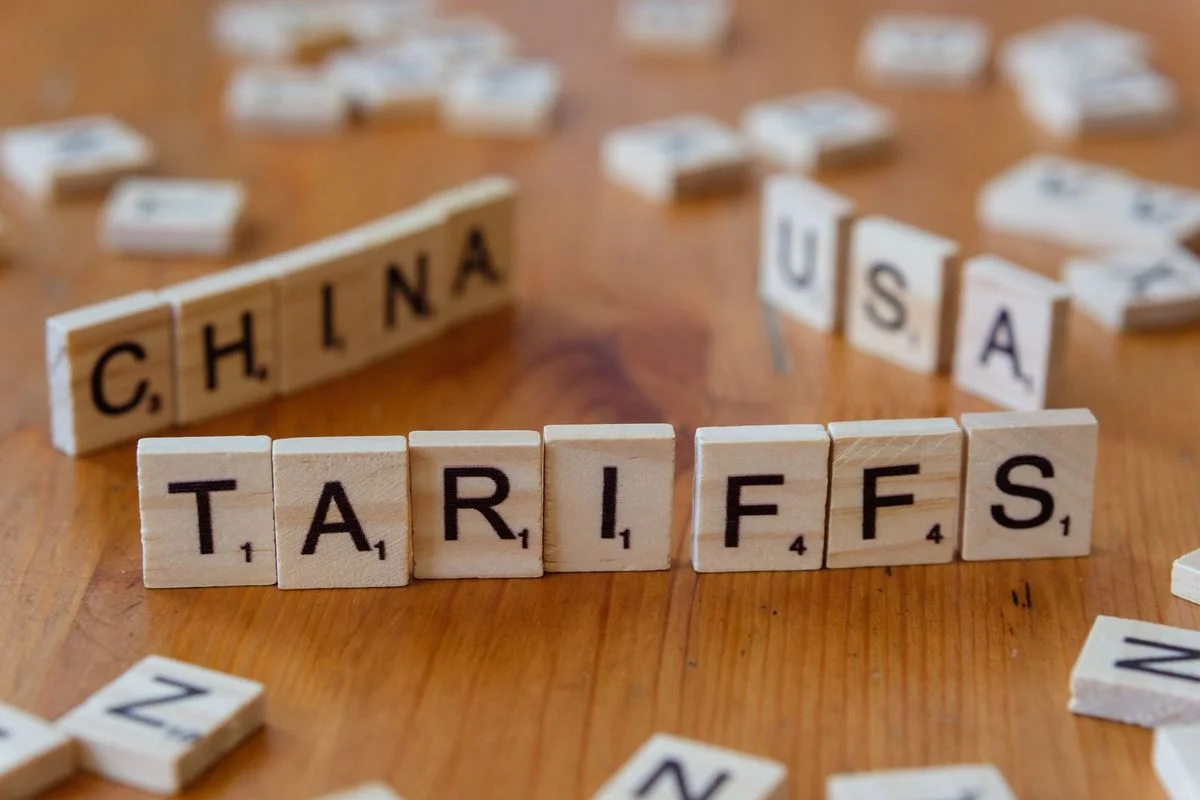
Donald Trump has announced the imposition of a significant 50% tariff on numerous Canadian goods, a move that is poised to escalate trade tensions between the two neighbouring nations. This impactful development, reported by The New York Times on 20 July 2026, has been widely identified as a critical moment that risks igniting a fresh trade war, according to analysis from CNN. The decision marks a substantial shift in the economic landscape and trade relations between the United States and Canada, with immediate reactions emerging from key figures. In response to these sweeping new tariffs, Mark Carney, a prominent voice in international finance, has publicly stated that while the measures unequivocally violate an existing free trade agreement, Canada is nonetheless open to commencing talks to address the situation. This willingness for dialogue was reported by Forbes on 21 July 2026, indicating Canada’s measured approach despite the contentious new imposition.
Background
The historical economic ties between the United States and Canada have typically been underpinned by a series of comprehensive free trade agreements. These agreements are fundamentally designed to foster economic cooperation, streamline cross-border commerce, and, crucially, prevent the unilateral erection of trade barriers that could disrupt established supply chains and markets. Such frameworks are vital for ensuring stability and predictability in international trade, allowing businesses and consumers in both countries to benefit from efficient exchange of goods and services. The recent announcement from Donald Trump, confirming new tariffs, presents a direct challenge to the principles embedded within these long-standing trade accords. This development has inevitably generated considerable concern among economists and policymakers about the potential for wider global economic ramifications and the erosion of free trade principles. The 50% tariff on many Canadian goods is a measure that could reshape future economic interactions.
New Tariffs Announced
On 20 July 2026, Donald Trump officially confirmed the implementation of a sweeping 50% tariff that will apply to a wide array of Canadian imports. This significant economic policy shift was extensively highlighted by The New York Times, which detailed the broad scope of goods expected to be affected by these new duties. The implications of this decision were immediately underscored by CNN, which, also on 20 July 2026, issued a stark warning that these aggressive new measures carry a substantial risk of sparking a renewed and potentially damaging trade conflict between the two nations. The imposition of such a high tariff on “many Canadian goods” suggests a broad impact across various sectors, from raw materials to manufactured products. This unilateral action is anticipated to lead to increased costs for businesses that import Canadian products and could alter consumer prices, potentially creating ripples throughout the North American economy and beyond.
Canadian Response and Potential Impact
Following the declaration of the new tariffs by Donald Trump, Mark Carney swiftly addressed the matter, asserting that the imposition of a 50% tariff on many Canadian goods directly violates an existing free trade agreement. This strong statement, emphasising the breach of established international commercial protocols, was reported by Forbes on 21 July 2026. Despite this clear violation and the contentious nature of Trump’s actions, Carney also conveyed Canada’s pragmatic stance, indicating that the nation remains open to engaging in talks to resolve the escalating dispute. This willingness to negotiate, even in the face of perceived economic aggression, signals Canada’s efforts to de-escalate rather than intensify the potential trade war.
However, the broader implications of these new tariffs are significant. CNN warned on 20 July 2026 that Donald Trump’s decision to impose a 50% tariff on many Canadian goods risks “igniting a fresh trade war.” Such a conflict could have far-reaching consequences, potentially leading to increased prices for consumers as imported goods become more expensive. Businesses relying on cross-border supply chains could face significant disruptions and higher operational costs. Furthermore, a trade war could create economic uncertainty, dampening investment and potentially impacting job markets in both countries and beyond. The global economy, already navigating various challenges, could face additional pressures from such a significant trade dispute between two major economies.
FAQ
- Q: What tariffs has Donald Trump imposed?
A: Donald Trump has imposed a 50% tariff on many Canadian goods.
- Q: When were these tariffs announced?
A: These tariffs were reported by The New York Times and CNN on 20 July 2026.
- Q: How has Canada responded to the tariffs?
A: Mark Carney stated that while the tariffs violate a free trade agreement, Canada is open to talks, according to Forbes.
- Q: What is the potential impact of these tariffs?
A: According to CNN, these tariffs risk igniting a fresh trade war between the United States and Canada.
What this means for you
For readers in Bristol and the South West, as well as the wider UK, developments in international trade relations, such as the new tariffs between the United States and Canada, can have indirect but significant effects. While the immediate impact might not be felt directly on the high street, disruptions to global supply chains and shifts in international economic stability can influence the cost and availability of goods.
Businesses that rely on international trade for components or finished products may face increased costs, which could eventually be passed on to consumers. Furthermore, global economic instability can have broader implications for investment and growth, potentially affecting local businesses and employment. In times of international economic uncertainty, local preparedness becomes increasingly important. Bristol Press has previously highlighted the importance of being ready for various eventualities, as seen in Bristol MP Urges Residents to Prepare for Crises, advising residents to plan for potential disruptions.
While this specific trade dispute between the US and Canada doesn’t directly impact the safety of consumer products in the UK, the wider context of international trade regulations and standards is always relevant for consumers. For instance, vigilance regarding goods entering the market is a continuous concern, as reflected in reports like UK Councils Warn Parents After Unsafe Toys Seized, which addressed product safety. Staying informed about such global economic shifts is crucial for individuals and businesses alike to make informed decisions in an interconnected world. For a change of pace from global economic news, readers can also find updates on local sports, such as Barry Hearn on Joshua’s ‘Ferocious’ Form, and other community stories on Bristol Press.