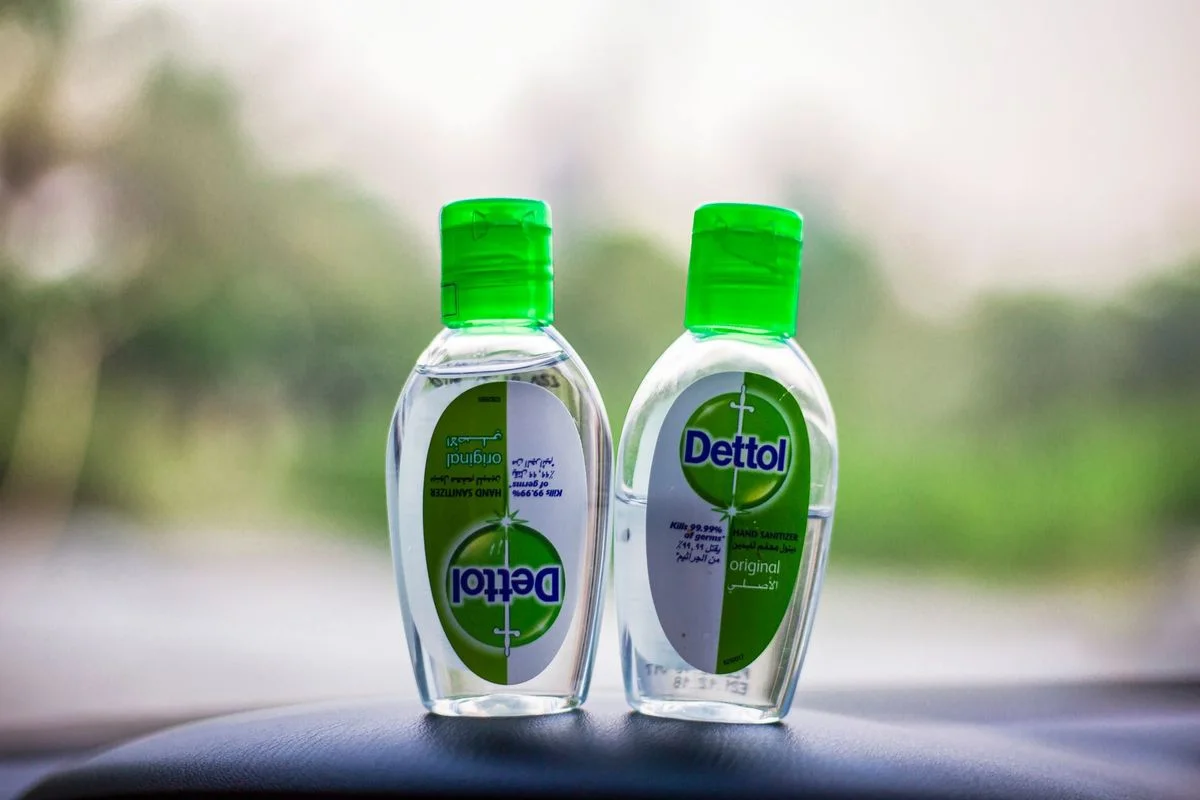
Dettol has issued an apology following significant backlash in China over an advertisement that aimed to address ‘toxic men’. The controversial campaign sparked widespread boycott calls from Chinese netizens, prompting the hygiene product brand to respond to the controversy, according to reports from the BBC.
The advertisement, which quickly drew criticism, has been widely reported as having backfired. The Telegraph highlighted that Dettol is now facing a boycott in the wake of the advert’s reception.
Background
The incident revolves around an advertisement published by Dettol, a brand known globally for its antiseptic and hygiene products. The campaign was reportedly designed to ‘clean up’ what it termed ‘toxic men’. However, the specific messaging and cultural context within China led to a swift and negative reaction from the online community. Rather than being received as a progressive or beneficial campaign, it was perceived by many as offensive, leading to accusations of misjudging public sentiment and cultural nuances.
The rapid spread of critical comments and calls for a boycott across Chinese social media platforms underscored the immediate impact of the advert. Such swift online reactions can significantly affect a brand’s reputation and market presence, especially in a digitally connected country like China.
The Advertisement and Public Reaction
The core of the controversy lies in the advert’s portrayal and target audience. By explicitly aiming to ‘clean up’ ‘toxic men’, Dettol’s marketing campaign inadvertently alienated a significant portion of its potential consumer base and ignited a broader discussion on gender perception and advertising ethics in China. The Global Times reported that the controversial advertisement specifically sparked boycott calls from Chinese netizens, indicating the depth of public anger and disappointment.
The backlash was not isolated, with numerous online users expressing their discontent and advocating for consumers to cease purchasing Dettol products. This collective action highlights the power of organised public sentiment in the digital age, capable of quickly mobilising against brands perceived to have made missteps in their advertising or messaging. The swift issuance of an apology by Dettol underscores the severity of the situation and the immediate need for the company to address the fallout to mitigate further damage to its brand image and sales in a crucial market.
FAQ
- Q: What did Dettol apologise for?
A: Dettol apologised after an advert targeting ‘toxic men’ backfired in China, leading to widespread boycott calls. - Q: Where did the controversial advert appear?
A: The controversial advertisement appeared in China. - Q: What was the public reaction to the Dettol advert?
A: The advert sparked significant online backlash, described as having ‘backfired’, and led to widespread boycott calls from Chinese netizens. - Q: Which news outlets reported on this incident?
A: The incident was reported by the BBC, The Telegraph, and Global Times.
What this means for you
For readers in Bristol, the South West, and across the UK, this incident serves as a pertinent reminder of the complexities global brands face when navigating diverse cultural landscapes. It illustrates how marketing campaigns, even with potentially well-intentioned messaging, can be misinterpreted or cause offence when not attuned to local sensitivities. While the immediate impact is felt in China, the wider implications for global commerce and brand reputation are significant, affecting consumer trust and market strategies worldwide.
Understanding these global dynamics is key for anyone interested in how international business and cultural narratives intersect. Bristol Press aims to bring you a comprehensive view of both local and global events. While navigating international news and consumer affairs, our readership also engages with a broad spectrum of interests, including sports, such as the career developments of players like Alexander Bublik: Rising Star of Men’s Tennis and His Road to Success.